

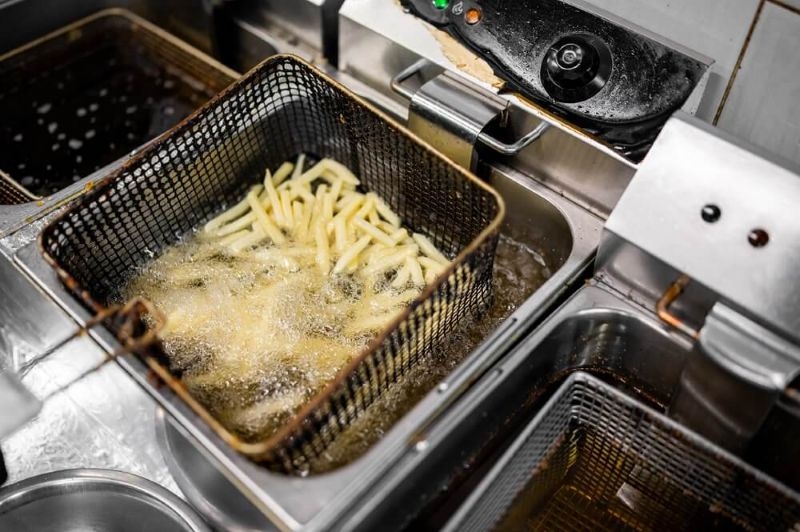
Deep-frying techniques help create golden, crunchy dishes that people love. Understanding how to deep-fry safely, controlling the frying temperature, and following deep-frying tips help make crispy fried chicken and other fried food recipes turn out better. Good frying habits always improve taste, texture, and safety.
Many home cooks think frying feels hard, but it becomes simple when basic rules are followed. The right oil, steady heat, and proper timing work together. These deep-frying techniques help food cook evenly while staying juicy inside.
Deep-frying techniques affect how food looks, tastes, and feels. Hot oil fully surrounds the food, cooking it quickly and sealing in moisture. This process forms a crispy outer layer while keeping the inside soft.
When the frying temperature stays correct, food absorbs less oil. This makes fried food recipes lighter and less greasy. Poor heat control leads to soggy or burned food, which nobody enjoys eating.
Good deep-frying tips always focus on balance. Heat must stay steady, and food must not overcrowd the pot.
Oil transfers heat faster than air. This means that food dries quickly. Water in food evaporates, creating steam. This steam forces oil to move away from penetrating the food.
This is why crispy fried chicken has a crunchy exterior. Proper deep-frying methods make it possible for this process to occur.
Discover More Insights: Best & Healthiest Oil for Deep Frying: Top Picks 2026
Oil choice plays a big role in the success of frying. Some oils handle heat better than others.
Best oils include
These oils help maintain proper frying temperatures and improve fried food recipes.
Avoid butter or olive oil for deep frying. These burn too quickly and ruin the food's taste.
Frying temperature decides everything during cooking. Most fried food recipes cook best between 325 and 375 degrees Fahrenheit.
If oil becomes too cool
If the oil becomes too hot
Using a thermometer helps accurately control frying temperature. This is one of the most important deep-frying tips.
Small bubbles appear when food enters oil. Food should float after a few seconds. Oil should not smoke heavily.
These simple signs help guide safe deep-frying techniques.
Preparation affects the final texture greatly. Dry food fries better than wet food. Moisture causes oil splashing and prevents a crisp crust.
Follow these steps
This helps crispy fried chicken develop its classic texture.
Coating sticks better and cooks evenly when prepared properly.
Safety is always a concern when frying. Hot oil can easily burn if not handled properly.
Here are some deep-frying tips to follow for safety
By following these tips, accidents can be avoided, and cooking can be made more comfortable.
Understanding how to deep fry safely builds confidence in the kitchen.
Proper tools make frying easier and safer. Basic tools improve results and reduce mistakes.
Useful frying tools include
Wire racks help drain oil while keeping the crust crispy. Paper towels also help, but can trap steam.
Good equipment supports better deep frying techniques every time.
Crispy fried chicken remains one of the most loved fried food recipes. Its crunchy crust and juicy meat depend on proper technique.
Follow these steps carefully.
Salt, pepper, and spices improve flavor deeply. Seasoning early allows the flavor to penetrate the meat.
Coat the chicken with flour or batter. This will help the chicken have a crunchy exterior if it is coated thickly.
Make sure the temperature of the oil is around 350°F. This will help the chicken be cooked thoroughly without burning.
Overcrowding lowers frying temperature. This ruins texture.
These deep-frying techniques yield crispy fried chicken.
Read Next: Ultimate Guide to Oil Temperature Control & Deep Frying Tips
Mistakes often happen when learning to deep-fry. Avoiding these problems improves success quickly.
Common mistakes include
These mistakes affect deep frying techniques and reduce food quality.
Correcting these habits improves every fried meal.
Coating creates the crispy outer shell people enjoy. Different coatings create different textures.
Popular coatings include
Each coating is best done at the right frying temperature.
Light and crispy fried chicken can be produced using flour coating.
Proper coating supports successful deep frying techniques.
Oil care matters after cooking finishes. Reusing oil safely saves money and maintains high quality.
Follow these steps
Clean oil supports better fried food recipes later.
Dirty oil creates bad taste and smoke.
These deep-frying tips help maintain oil quality.
Food floats when the moisture inside turns into steam. Steam creates pressure that lifts food upward.
Floating shows cooking progress. This helps judge when food nears completion.
Deep frying techniques use this natural signal to guide timing.
Floating alone does not mean food is ready. Color and temperature must also be checked.
Many foods taste better after frying. Proper technique improves flavor and texture.
Popular fried food recipes include
Each food requires proper frying temperature and timing.
Using correct deep-frying techniques improves all these meals.
Draining removes extra oil from the food's surface. This step prevents a greasy taste.
Place fried food on a wire rack after cooking. This keeps the crust crispy longer.
Paper towels help, but wire racks work better.
Draining remains one of the simplest deep-frying tips for better results.
Seasoning must stay balanced during cooking. Salt added after frying improves the taste.
Adding seasonings too early can sometimes cause the spices to burn.
Deep-frying methods are most effective when the timing of adding seasonings remains right.
Having a well-balanced flavor increases the fun of recipes for fried foods.
Practice improves frying skills slowly. Early mistakes help cooks learn heat control and timing.
Each attempt improves understanding of frying temperature and food behavior.
Confidence grows naturally when deep-frying techniques become familiar.
Simple foods help beginners learn faster.
Consistency leads to better results over time.
Dive Deeper: Top 10 Mistakes to Avoid When Deep Frying at Home
Deep frying techniques help create crispy, golden food with great taste and texture. Proper frying temperature, preparation, and safety improve every result. Following simple deep-frying tips makes crispy fried chicken and other fried food recipes turn out better, safer, and more enjoyable, for home-cooking success.
Most fried food recipes cook well between 325 and 375 degrees Fahrenheit. This range allows food to cook evenly while forming a crispy outer crust.
Keep the frying temperature steady and avoid overcrowding. Proper heat prevents oil absorption and improves texture.
Improper draining and low frying temperature cause sogginess. Use a wire rack and correct the heat for the best results.
Oil can be reused several times if filtered and stored properly. Clean oil maintains better taste and supports safe deep-frying techniques.
This content was created by AI