

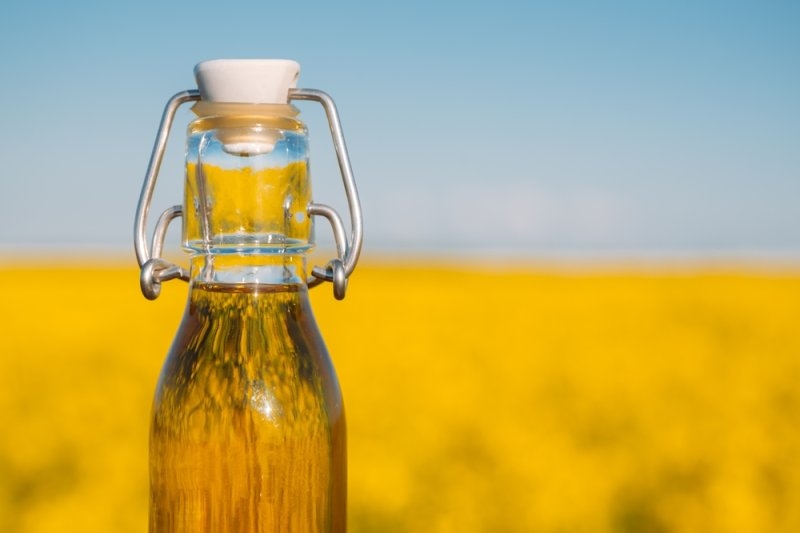
Walking down the local grocery aisle to grab basic cooking fat easily triggers complete decision paralysis. Rows of identical yellow bottles sit perfectly lined up, totally lacking any real explanation. Settling the brutal canola oil vs vegetable oil debate dictates exactly how daily meals impact human arteries over decades. Grabbing the wrong plastic jug ruins dinner completely by adding a nasty burnt taste to an expensive steak. Finding the absolute best healthy cooking oils means strictly ignoring the slick marketing labels and staring aggressively at the raw nutritional facts permanently stamped on the back panel.
Must Read: How to Choose the Best Oil Thermometer for Frying Perfectly
This specific liquid strictly originates from the crushed seeds of the canola plant, an edible version of the original rapeseed plant. Agricultural scientists selectively crossbred the crop to permanently eliminate toxic compounds. This engineering created a highly versatile, neutral-tasting fat that easily handles heavy stovetop heat without burning instantly.
Top Pick: How to Safely Reuse Frying Oil: Tips for Effective Use
Manufacturers strictly use this completely generic label to package highly blended liquid plant fats. A cheap plastic bottle usually contains pure liquid soybean extracts, but processors frequently mix in corn or sunflower derivatives depending entirely on global commodity prices. It provides a cheap, totally neutral base that never alters actual food flavor.
Comparing these two common kitchen staples requires evaluating their exact physical performance under intense fire. They behave completely differently once the stove knob turns all the way up.
| Metric | Single-Source Canola | Blended Plant Fat |
| Origin Source | Strictly single-source crushed seeds. | A random blend of various cheap crops. |
| Smoke Limit | Usually hits around 400 degrees Fahrenheit. | Often reaches 450 degrees depending on the specific blend. |
| Fatty Acid Profile | Heavy on beneficial omega-3 elements. | Completely dominated by heavy omega-6 chains. |
| Primary Culinary Role | Light daily sautéing and basic baking. | Heavy deep frying and aggressive searing. |
Sticking strictly to this unblended product offers massive physiological advantages for regular consumers. Exploring the raw canola oil benefits proves exactly why doctors constantly push it for standard domestic meal prep.
This specific plant lipid heavily carries monounsaturated fats. Swallowing these exact fat structures actively helps keep the cardiovascular system running smoothly without heavily clogging up major internal arteries over time.
Most cheap cooking liquids completely lack omega-3 chains. This single-source product actually holds highly respectable levels of these anti-inflammatory elements, making it significantly superior for long-term physiological maintenance and joint health.
Dumping this liquid into a thick cake batter or a sharp salad dressing never destroys the underlying flavor profile. The completely neutral taste guarantees the actual expensive grocery ingredients remain the absolute star of the meal.
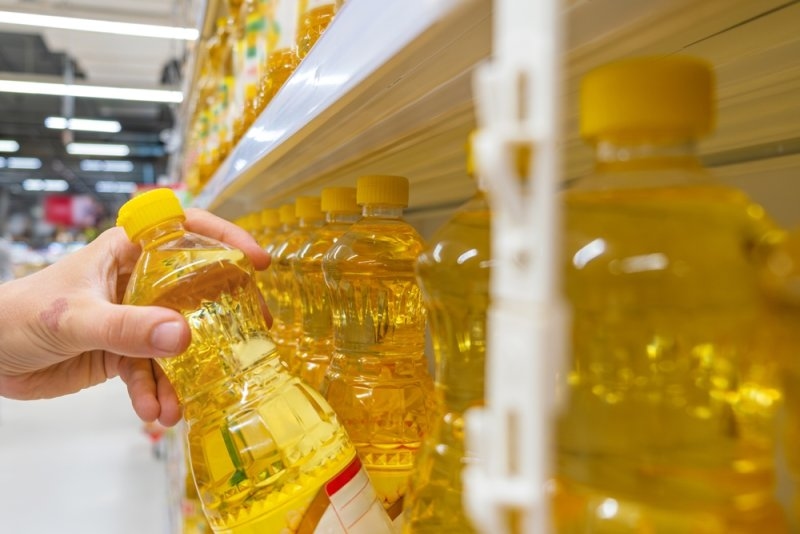
Keeping a massive plastic jug of blended plant fat near the stove solves multiple daily cooking problems instantly. Breaking down the core vegetable oil benefits highlights its sheer utilitarian dominance inside dirty commercial kitchens.
Dropping heavily breaded chicken chunks into a boiling pot requires serious temperature stability. Blended soybean fats easily survive massive heat levels hitting 450 degrees Fahrenheit without instantly breaking down into nasty toxic smoke clouds.
Feeding a massive family requires tight financial control over weekly grocery bills. These highly processed liquid blends cost absolute pennies compared to premium boutique cold-pressed fats shipped from overseas olive farms.
A generic plant blend carries absolutely zero distinctive taste. Cooks heavily rely on this cheap liquid to grease iron baking pans and fry salty potatoes without accidentally injecting weird, bitter flavors directly into the final meal.
Blindly dumping hot liquids into a frying pan completely alters the dietary makeup of the finished meal. Comparing the baseline canola oil nutrition against standard vegetable oil nutrition reveals massive structural differences hiding inside the clear plastic bottle.
Unblended canola holds roughly seven percent saturated fat. Standard blended soybean products easily double that heavy metric, pushing up to fifteen percent saturated fat directly into the human bloodstream with every single bite.
Human bodies desperately need a highly specific ratio of fat chains. Generic blends severely over-deliver omega-6 elements, heavily disrupting the delicate internal chemical balance and actively driving long-term chronic bodily inflammation.
The unblended single-source product manages to retain tiny traces of natural vitamins after heavy industrial processing. These microscopic elements actively operate as internal antioxidants, shielding human cells from aggressive environmental damage.
Fixing a terrible diet starts directly inside the hot frying pan. Settling the brutal canola oil vs vegetable oil debate requires looking strictly at personal internal health goals. Single-source canola completely dominates the nutritional fight by delivering massive hits of omega-3 without dumping heavy saturated fat into the bloodstream. However, a cheap blended jug still heavily rules the commercial kitchen when executing messy, high-temperature deep frying. Stop blindly grabbing the cheapest yellow bottle off the metal rack. Read the physical label, understand the exact fat breakdown, and match the proper liquid to the exact cooking temperature required.
The single-source option heavily beats the blended jug. It holds significantly less saturated fat while carrying massive amounts of healthy omega-3 chains. Blended options strictly rely on omega-6 fats, which heavily trigger internal bodily inflammation when consumed in massive daily quantities.
The main split centers strictly on the physical source material. Canola comes directly from one specific crossbred plant type. The generic alternative is simply a randomized chemical blend of different cheap crops, heavily dominated by mass-produced liquid soybean extracts.
Absolutely. Both liquids carry a completely neutral flavor profile and highly similar physical viscosity. Swapping them out inside a heavy cake batter or sweet muffin recipe completely avoids changing the final taste or the dense physical texture of the baked dessert.
Yes, heavy light and raw heat destroy organic fats fast. Leaving a clear plastic bottle sitting directly next to a hot oven easily turns the liquid completely rancid. Smart cooks strictly store these bottles deep inside dark, cool pantry cabinets to preserve the fragile chemical structure.
High-end culinary experts heavily prefer raw animal fats or premium cold-pressed olive liquids. Massive industrial processing violently strips away all natural flavor and vital nutrients. Michelin-star kitchens strictly avoid chemically bleached fats, opting instead for organic ingredients that actually enhance the final taste.
This content was created by AI