

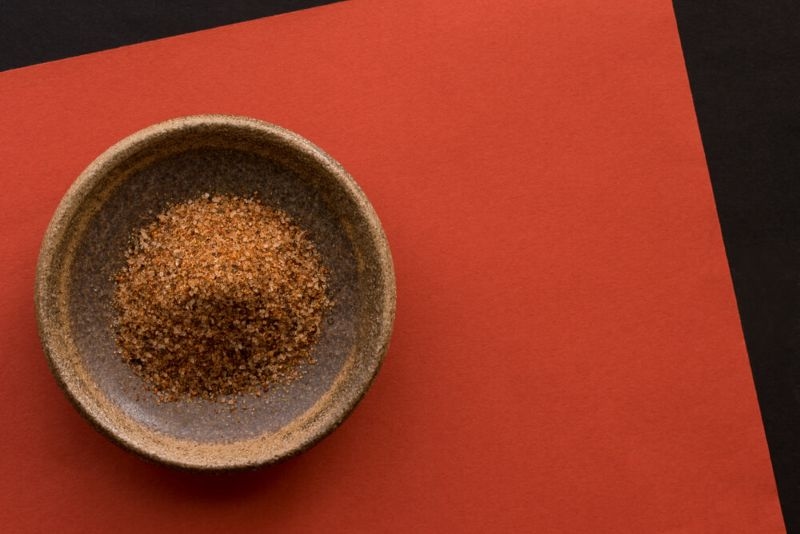
Cajun seasoning adds heat, depth, and character to simple meals. This bold Cajun spice blend blends peppers, herbs, and pantry staples into one powerful mix. A good Cajun seasoning recipe uses balanced Cajun seasoning ingredients that create layers of flavor without overwhelming the dish. Many home cooks now prefer homemade Cajun seasoning because it offers control over salt and spice. Learning how to use Cajun seasoning properly turns ordinary chicken, seafood, and vegetables into something memorable. This guide explains everything clearly, step by step, so every kitchen can benefit from it.
The Cajun seasoning mixture originated from the culinary traditions of the Acadian settlers after migrating to Louisiana. Spices, local ingredients, and a simplified method of cooking were used to prepare their dishes. Later, a mixture of Cajun spices was prepared by following complex steps to obtain a strong flavor.
Traditional ingredients for Cajun seasoning generally include paprika, garlic powder, onion powder, cayenne pepper, black pepper, dried oregano, and thyme. Other mixes may incorporate white pepper or red pepper flakes. The result tastes smoky, earthy, and slightly spicy.
Cajun food is often linked with dishes like gumbo and jambalaya. These classics are part of Southern United States food culture, especially in Louisiana kitchens. Cajun seasoning plays a central role in these meals because it builds the base flavor quickly and efficiently.
Recommended Article: Spice Blends for Fried Foods That Make Seafood Crisp
Understanding Cajun seasoning ingredients helps cooks adjust taste with confidence. Each spice has a purpose, and together they create harmony.
Paprika forms the base of most Cajun seasoning recipe versions. It adds color and mild sweetness. Smoked paprika introduces a deeper, woodsy tone. Without paprika, the blend feels incomplete.
Cayenne pepper delivers heat. Black pepper adds sharpness. White pepper sometimes joins for extra depth. Adjusting cayenne changes how bold the Cajun spice blend feels.
Dried oregano and thyme soften the heat. These herbs bring earthiness and subtle fragrance. A well-balanced homemade Cajun seasoning never tastes one-dimensional.
Garlic powder and onion powder provide savory notes. They round out the flavor and connect all the Cajun seasoning ingredients together.
When measuring these spices, precision matters. Too much salt can overpower the blend, so many cooks reduce it or skip it entirely in homemade Cajun seasoning.
A simple Cajun seasoning recipe requires only pantry staples. This blend works for beginners and experienced cooks alike.
Basic Homemade Cajun Seasoning Recipe
Mix all Cajun seasoning ingredients in a small bowl. Store the Cajun spice blend in an airtight container away from heat and light. It keeps its flavor for several months.
This homemade Cajun seasoning allows easy adjustment. Reduce cayenne for a mild flavor. Increase paprika for more sweetness. Skip salt when seasoning meats that are already brined.
Using a fresh Cajun seasoning recipe ensures a stronger aroma and brighter taste compared to older store-bought blends.
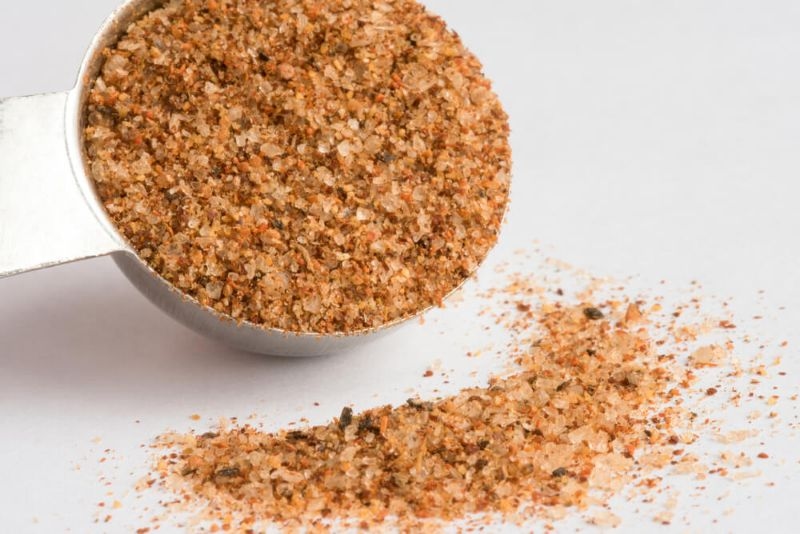
Knowing how to use Cajun seasoning makes a huge difference. The spice blend works best when layered into food rather than sprinkled at the end only.
Coat chicken, shrimp, or fish with Cajun seasoning before cooking. Press the Cajun spice blend gently into the surface so it sticks well. Pan searing or grilling helps activate the spices.
Popular protein ideas include:
The heat of cooking releases the oils in the Cajun seasoning ingredients, deepening flavor.
Toss potatoes, bell peppers, zucchini, or corn with olive oil and Cajun seasoning before roasting. Vegetables absorb the spices and caramelize nicely.
A light sprinkle works well for steamed vegetables, too. This method shows how to use Cajun seasoning without overpowering natural flavors.
A teaspoon of homemade Cajun seasoning can transform plain rice or beans. Stir it into soups, stews, or creamy sauces. This approach builds flavor slowly and evenly.
When cooking dishes inspired by Louisiana traditions, layering the Cajun spice blend at different stages creates depth.
Explore This Topic: Master the Kitchen: Essential Cooking Tips for Beginners
Store-bought blends can taste convenient, but homemade Cajun seasoning often wins in quality and flexibility.
First, control over salt matters. Many packaged blends contain high sodium levels. Preparing a Cajun seasoning recipe at home allows healthier adjustments.
Second, freshness impacts flavor. Spices lose strength over time. Mixing Cajun seasoning ingredients in small batches keeps the aroma bright.
Third, customization improves cooking confidence. Some households prefer mild heat. Others enjoy stronger spice. Homemade Cajun seasoning adapts easily.
This control supports better meal planning and consistent results.
Cajun seasoning is not just about heat. When used correctly, it enhances food without masking it. Paprika and herbs provide antioxidants. Garlic and onion powders contribute savory complexity.
However, moderation matters. Because Cajun seasoning can include salt, measuring carefully supports balanced eating habits. Reducing sodium in the Cajun seasoning recipe while keeping bold spices maintains taste without excess.
Cooking experts often recommend tasting as the food cooks. Adjust gradually instead of adding large amounts at once. This habit prevents over-seasoning.
Proper storage protects the quality of a Cajun spice blend. Follow these simple steps:
A well-stored homemade Cajun seasoning retains a strong aroma for up to six months. If the smell fades, the spices likely need replacement.
Grinding whole spices before mixing can improve freshness. Though not required, this step elevates the Cajun seasoning recipe further.
Even experienced cooks sometimes misuse Cajun seasoning. Avoid these common errors.
Over-seasoning creates bitterness. Sprinkle lightly, then adjust.
High heat without oil may scorch paprika and garlic powder. Moderate heat protects the Cajun seasoning ingredients.
Cajun spice blend pairs best with fats like butter or olive oil. Fat carries flavor evenly across the dish.
Paying attention to techniques will make every meal taste purposeful and not hastily prepared.
In addition to the traditional dishes, the Cajun seasoning can be used in other meals.
These ideas demonstrate how to utilize a Cajun seasoning blend outside of seafood and rice dishes. The versatility of a quality Cajun seasoning recipe makes it a dependable kitchen necessity.
Food educators often suggest experimenting with small amounts first. Taste, adjust, and refine. Cooking improves through practice and observation.
In Case You Missed It: Deep Fry Recipe Cooking Tips 2025 for Crispy Perfection
Cajun seasoning has the power to transform ordinary ingredients into delicious and savory dishes. By following a perfect Cajun seasoning recipe and ingredients, cooking with Cajun seasoning is a breeze. Homemade Cajun seasoning is extremely beneficial as it is effective, adaptable, and tastes better.
Cajun seasoning usually focuses on bold spices and simple herbs, while Creole blends may include more dried herbs and sometimes tomato-based elements. Cajun spice blend profiles are often spicier and more direct.
Yes. Many people prepare a Cajun seasoning recipe without salt. Salt can be added separately during cooking for better control.
When stored properly in an airtight container, homemade Cajun seasoning keeps its good flavor for about six months. After that, the spices may lose strength.
Heat depends on cayenne levels. Adjusting the amount of the Cajun seasoning ingredients changes the spice level easily.
This content was created by AI