

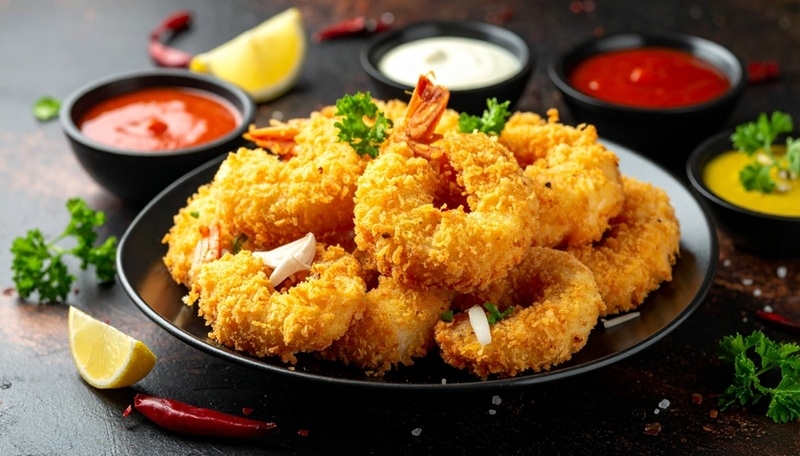
Shrimp gets ruined fast at home. Too soggy, too greasy, coating slides off, or the crunch disappears before the plate hits the table. Restaurant shrimp feels different somehow — louder crunch, better color, still juicy inside. But the trick is not magic. Mostly heat, timing, decent coating, plus not crowding the pan.
A good fried shrimp recipe doesn’t need fancy ingredients either. Just balance. The coating matters; the oil temperature matters more. Overcook shrimp, and it turns rubbery in minutes. Get it right, though, crisp outside, tender bite inside. Hard to stop eating. In this blog, we’ll cover a restaurant-style shrimp recipe, seasoning ideas, batter tips, cooking steps, side dishes, plus useful FAQs.
This deep-fried shrimp recipe works because it stays simple. No heavy coating that hides the shrimp. No thick batter that turns chewy ten minutes later. The outside stays crisp while the shrimp inside still tastes fresh.
Restaurants often rely on layers. Flour, egg wash, breadcrumbs, or light batter — small details matter. The shrimp should not sit wet before frying. Oil temperature also cannot bounce around too much.
Making crispy fried shrimp is easier than people think. You probably already have half the ingredients sitting around.
The cornstarch matters more than people realize. It helps create that thin crackly finish instead of heavy breading. Panko also gives a rougher texture. Better crunch.
The right fried shrimp seasoning should feel noticeable but not overpowering. Shrimp already has flavor. Don’t bury it.
Try this balance:
Mix it directly into the flour so every bite carries flavor. Some people sprinkle seasoning only after frying —it works, but not as well.
Don't Miss: 10 Weird but Awesome Deep Fried Foods You Can Try at Home
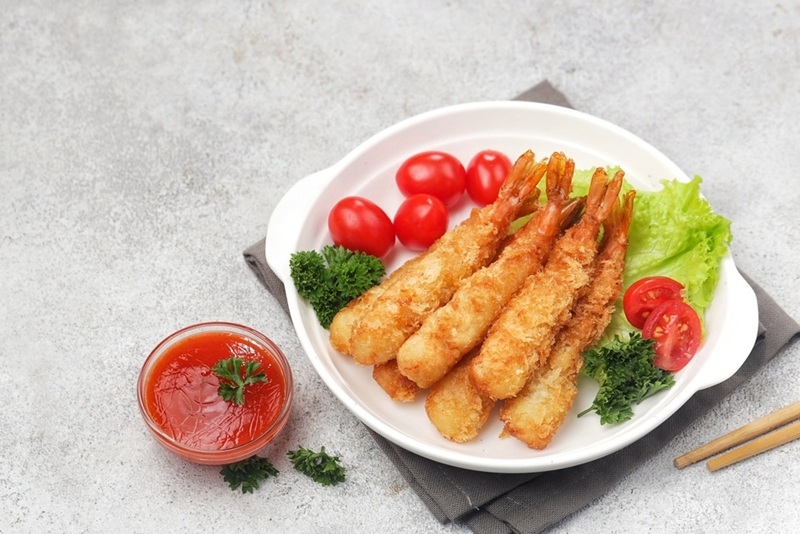
A good shrimp batter recipe does not mean a thick coating. Thin beats thick here. Heavy batter makes shrimp feel doughy, almost bready.
Set up three bowls.
Now coat the shrimp.
First flour. Then egg wash. Then breadcrumbs. Press lightly so the coating sticks, but don’t pack it too hard. Too much pressure creates dense crust. Let the shrimp rest for five minutes after coating.
Flour alone works, sure. Yet flour by itself can feel heavy after cooling.
Cornstarch changes texture. It creates tiny air pockets during frying. That’s where restaurant crunch often comes from. Crisp, brittle coating instead of soft breading.
A light tempura shrimp recipe usually skips breadcrumbs and uses cold batter, but this method borrows some of that airy texture while still delivering restaurant crunch.
Pat shrimp dry using paper towels. This matters more than expected. Wet shrimp causes splattering and coating slips away. Season lightly with salt and pepper before breading.
Pour oil into a deep pan or heavy pot. Heat it to roughly 350°F or 175°C. Too cold and shrimp absorbs oil. Too hot, coating burns before the shrimp cooks.
If you don’t own a thermometer, drop in a breadcrumb. It should sizzle fast but not darken immediately.
Dip shrimp into seasoned flour mixture first. Then egg wash. Then panko.
Repeat until every shrimp looks evenly coated. Uneven coating means uneven crunch. Simple problem.
Carefully place shrimp into hot oil. Do not crowd the pan. Seriously. Shrimp cook quickly — around 2 to 3 minutes per batch, depending on size.
Turn once if needed. You want golden brown, not dark brown.
Drain on a wire rack if possible instead of paper towels. Paper traps steam underneath. Crunch disappears faster than expected.
Shrimp tastes best right after frying. Not twenty minutes later.
Serve with:
Hot shrimp. Cold dip. Good contrast.
A lot of people wonder what to serve besides shrimp. Fries work, yes. But there are better options too. Some lighter, some heavier.
These seafood dinner recipes pair especially well:
Cold coleslaw next to hot shrimp works surprisingly well. The cool, creamy texture balances fried food. Plus, it cuts the heaviness a little. Go light on sugar, though. Too sweet ruins the plate.
Rice sounds plain, but it helps absorb extra seasoning and sauce. Garlic butter rice especially pairs nicely with crispy shrimp. Simple food often works best.
Also Read: Asian Chicken Recipe: Is This Apple Soy Glaze Worth the Hype?
Good fried shrimp should feel loud when bitten into. Crunch first, then soft shrimp, seasoning showing up right after. That restaurant texture isn’t impossible at home. Mostly, it comes down to dry shrimp, proper oil heat, thin coating, and patience with batches. Small details, honestly.
This recipe keeps things simple without losing texture. Crispy outside, juicy inside — exactly what fried shrimp should be. Try changing the seasoning a little if you want more heat or garlic. But keep the basics steady. Once you get the method down, homemade shrimp starts tasting surprisingly close to restaurant food.
Go for a neutral oil. Vegetable, peanut, or canola oil all handle high heat without messing with the shrimp’s flavor. Olive oil isn’t the best here — it starts to smoke way too soon for deep frying.
Absolutely. Just make sure you thaw the shrimp all the way, and really pat them dry with paper towels. If you skip drying, the coating slides off, and you end up with greasy shrimp.
Stick any leftovers in an airtight container and keep them in the fridge — they’ll stay good for about two days. Reheat in the oven or air fryer to get the crunch back. The microwave? It’ll just turn the coating soggy.
Definitely, everything’s pretty straightforward, and you don’t need fancy ingredients. The secret? Keep the oil temperature steady, don’t crowd the pan, and always dry the shrimp before frying. That way, you get the crispy golden crust every time.
This content was created by AI