

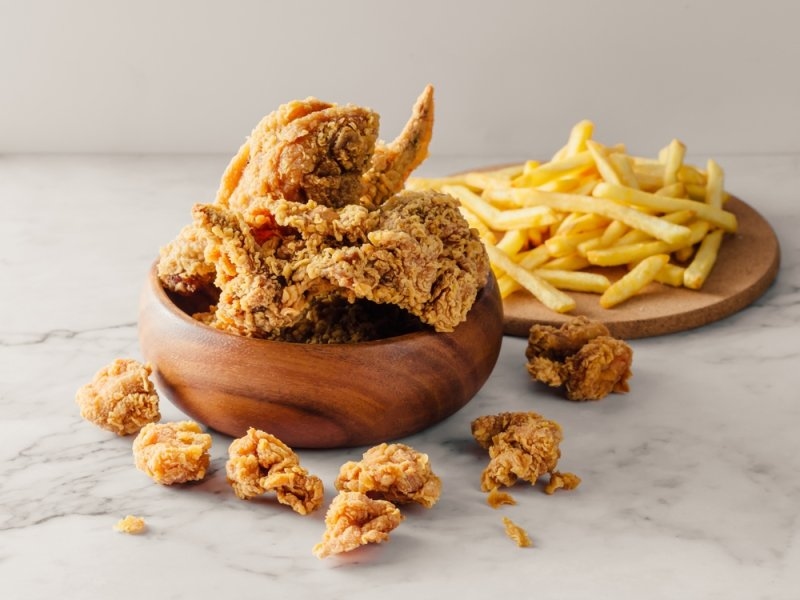
There is nothing more disappointing than spending time frying chicken, fries, onion rings, or pakoras only to find them soft and soggy within minutes. How to keep fried food crispy is one of the most common questions home cooks ask because crispiness depends on more than just the frying step.
According to food science research, fried foods become soggy when steam trapped inside the food condenses on the surface, causing the crispy coating to absorb moisture. Temperature control, proper draining, and correct storage all affect the final texture.
In this guide, you will learn crispy fried food tips, the best way to keep fried food crispy for longer, how to prevent soggy fried food, and how to reheat fried food and keep it crispy without drying it out.
Fried food contains moisture inside. When it comes out of the hot oil, that moisture turns into steam. If the steam cannot escape, it condenses on the surface and softens the coating.
Common causes include:
Understanding this process is the first step in learning how to prevent fried food from getting soggy.
This is the most important rule for how to keep fried food crispy after frying. When oil is too cool, food absorbs more oil and becomes greasy. When it is too hot, the outside burns before the inside cooks properly.
| Food | Ideal Temperature |
| French fries | 350°F |
| Fried chicken | 360°F |
| Onion rings | 365°F |
| Fish fillets | 375°F |
Use a kitchen thermometer whenever possible. Consistent temperature creates a lighter and crunchier crispy coating.
Try This: How to Properly Store and Maintain Frying Tools: Care Guide
Water is the enemy of crispiness. Pat vegetables, chicken, fish, or tofu dry with paper towels before coating them.
Less moisture means:
This simple step is often overlooked but makes a noticeable difference in how to keep fried food crunchy.
For a longer-lasting crunch, try combining:
Cornstarch reduces gluten formation and helps create a lighter, crispier crust that stays crunchy longer.
Adding too much food at once drops the oil temperature rapidly. The food then steams instead of fries.
Small batches provide the following:
Professional kitchens rarely fill the fryer for this reason.
Paper towels trap steam underneath the food. A wire rack allows air to circulate all sides.
This is one of the best ways to keep fried food crispy for hours when serving multiple batches.
If you are cooking for a party or large family meal, place the fried food in an oven set to 200°F (95°C).
This method keeps foods warm while preventing the moisture buildup that causes sogginess.
Never store fried food while it is still hot. Allow it to cool to room temperature for about 20–30 minutes.
Use:
For foods like fried chicken or cutlets, separating layers with parchment paper helps preserve texture.
Air Fryer
Oven
Avoid The Microwave
Microwaves create steam, which softens the crust almost immediately. They are the least effective option for maintaining fried food texture.
These targeted crispy fried food tips work exceptionally well for homemade snacks and appetizers.
Essential Tips: Mastering Fryer Care: Clean & Maintain for Perfect Results
Avoid these habits if you want consistently crunchy results:
Correcting even one of these mistakes can dramatically improve how to keep fried food crispy for longer.
Mastering how to keep fried food crispy is mostly about controlling moisture. Keep the oil at the correct temperature, dry ingredients thoroughly, use a wire rack for draining, and avoid trapping steam during serving or storage. These small adjustments can transform homemade fried foods from greasy and soggy to restaurant-quality crispy.
Whether you are making fried chicken, fries, fish, or snacks for a gathering, the techniques above will help you prevent soggy fried food, maintain a crunchy crispy coating, and enjoy better fried food texture long after frying. For more practical cooking guides and tested kitchen techniques, resources such as deepfryrecipe.com can help you continue improving your frying results at home.
Stop serving soggy fried food. Apply these simple temperature, draining, storage, and reheating techniques today and enjoy crispy, crunchy results every single time you fry.
A slow cooker is not recommended for crispy foods because it traps steam and moisture. Even with the lid slightly open, the enclosed environment softens the coating quickly. A low oven with a wire rack is a much better option for keeping fried foods crunchy during parties or family meals.
Yes. Cornstarch contains less protein than flour, so it forms a lighter and less chewy crust. When combined with flour, it helps create a delicate, crisp exterior that stays crunchy longer and absorbs less oil during frying.
Most fried foods stay at their best for about 15–30 minutes at room temperature. After that, moisture from the food gradually softens the crust. Using a wire rack and keeping the food in a warm oven can extend crispiness significantly.
Salt fried food immediately after frying while the surface is still hot and slightly oily. The seasoning adheres better at this stage. Salting before frying can draw out moisture from some foods, which may reduce crispiness and affect browning.
Yes. Allow the fried food to cool completely, freeze it in a single layer, and then transfer it to a freezer-safe bag. Reheat directly from frozen in an oven or air fryer to restore much of the original crispiness without making it soggy.
This content was created by AI