

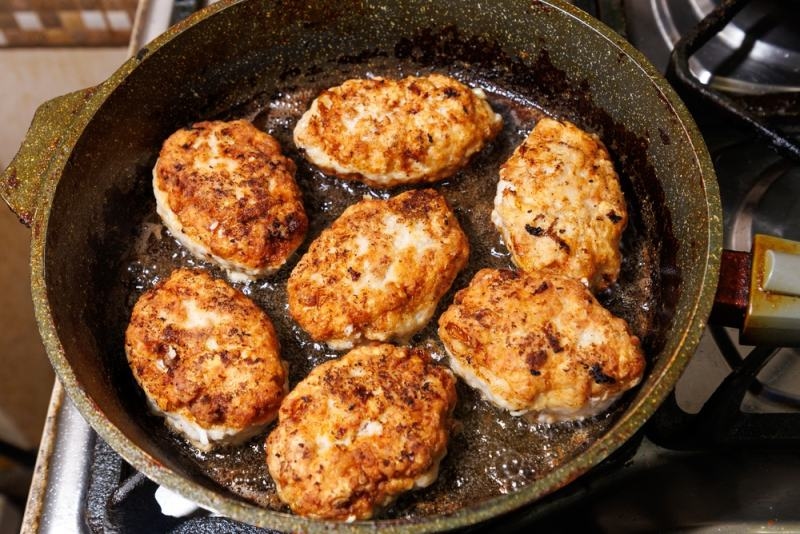
One of the most versatile and readily used cooking techniques in home kitchens and restaurants alike is Pan Frying. Pan Frying falls between sautéing and deep frying, allowing you to cook food to a crispy golden brown on the outside while still keeping it moist and flavorful within. Pan Frying Chicken Cutlets, fish, vegetables, or even breakfast dishes like bacon or eggs, restaurant-quality food doesn’t require special equipment.
Frying is one of the most used cooking techniques worldwide because it is fast, versatile, and can add flavor to almost any food, as suggested by culinary industry reports. It is easy enough for even novice cooks to achieve, but achieving good results goes beyond adding some oil to a hot pan. The technique requires control over the temperature of the oil and pan, the selection of the right oil, cookware, and preparation of food. Below is a breakdown of what pan frying is, how to cook it, the tools that will be needed, and some of the best pan frying tips to produce perfect crispy fried Food every time.
Pan frying is a dry-heat method that uses a moderate amount of oil to cook food in a shallow pan. Unlike deep frying, in which foods are entirely submerged, only about one half of the food is immersed in the oil while being fried. Usually, foods will be turned once during the cooking process so that both sides are thoroughly browned. It produces crispy outer food while ensuring that the center stays tender and moist. Pan Frying can be used on a wide variety of food.
Pan frying is popular among chefs and home cooks because of its speed, delicious results, and versatility. Here are the following:
The primary benefits are the contrast between the crispy outside and moist inside that results. & this texture is quite tricky to master and requires craftsmanship in cooking.
Foods cooked in a pan under the right heat circumstances are generally cooked faster as they have direct contact with the heat source. Saves time and energy.
This is generally the healthiest alternative to frying. Less oil is needed, making it cheaper and better for the waistline. It is also essential to use healthy oil to minimize the health effect and taste of the food.
It works on fish, meats, eggs, vegetables, sandwiches, burgers, and endless of Pan Fried Recipes. & its instant ability to heat up makes it a versatile option to cook anything.
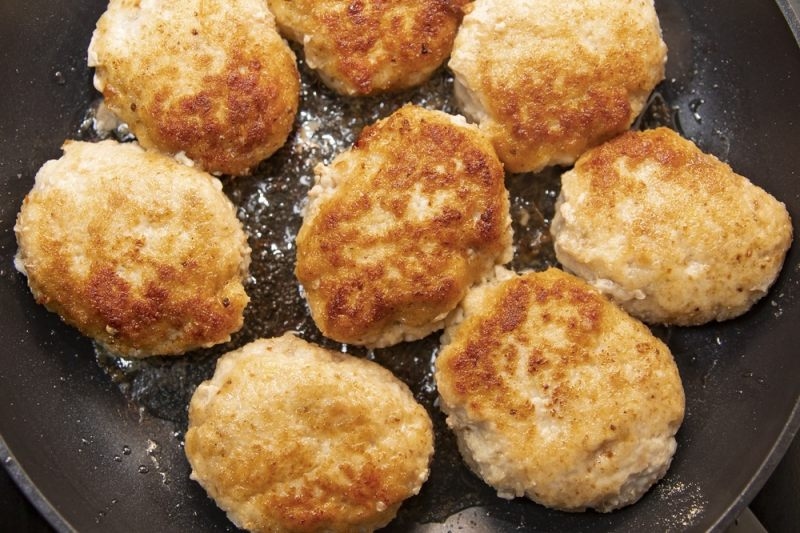
Certain foods perform exceptionally well when Pan Fried due to the crispy crust that will form. Here are the benefits of pan frying:
The foods that work best are usually thin.
While not extensive, having the right equipment can ensure perfect results. Here are the following:
The right pan will provide evenly distributed heat. Good options are:
You will need cooking oil that can withstand a moderate to high temperature. Good examples are:
An instant-read thermometer will assist you in always knowing what the oil is doing, preventing foods from burning, and helping with consistency.
Pan frying seems straightforward and, in essence, is not very complicated. Here is the best procedure to use:
The choice of Pan is of vital importance when Pan Frying. A well-chosen Pan will evenly distribute heat and provide the best possible conditions for food to cook to perfection.
These Pans are renowned for their superior heat retention capabilities, meaning once hot, they stay hot and cook foods to a deep, satisfying brown. Their even cooking surface also helps ensure foods never scorch or burn as readily.
Versatile and durable, stainless steel pans are the workhorses of most professional kitchens. They are good for browning a wide variety of foods and will easily tolerate the high temperatures needed for some Pan Fried Recipes.
A good compromise between cast iron and stainless steel pans, Carbon steel can be slightly lighter and can develop a natural non-stick surface as it ages with proper use and maintenance. They can also heat up quickly and will be wonderful when making a variety of Pan Fried foods.
These are most suited to softer, more delicate foods such as fish or eggs that have been lightly coated. While browning is often not as deep or uniform as with other Pan types, ease of cleaning and food release can be invaluable when Pan Frying certain items.
Copper-core pans are known for their excellent heat conductivity, making temperature regulation simple. They will respond readily to changes made to the heat source and could add a great deal of control when Pan Frying.
While each Pan Type has its own strengths and weaknesses, the majority of home cooks would get the most use out of a well-maintained Cast Iron Skillet or a good Quality Stainless Steel Pan.
Even with the simplest cooking methods, things can go wrong. & here are things that you need to keep in mind to avoid common mistakes while panfrying:
If your oil is not hot enough, the food will not develop a crispy brown coating as it will absorb excess grease instead.
This will lower the overall temperature of your pan as the hot oil is not in contact with every piece of food, producing steam, which prevents food from browning and getting crisp.
A very hot pan will burn the outer part of the food before the center is cooked through, while an oil that is not hot enough will make foods absorb excess oil and never develop a golden brown crust.
Most foods will automatically lift from the pan when the Maillard reaction is complete. Trying to turn the food before this occurs will often result in the food sticking to the Pan.
To ensure the best possible Pan Frying results every time, you a set of rules. & here are the following:
These Pan Frying Techniques will be essential to ensuring your food comes out delicious and golden brown every time!
Pan Frying is an extremely versatile and rewarding way of cooking. By understanding the basics, how to get the right equipment, how to control the temperature, and a good Pan Frying technique, anyone can cook perfectly crispy foods. From vegetables and seafood to classics like crispy chicken and burgers, Pan Frying allows for an abundance of possibilities in cooking and will lead to delicious foods similar to those at your favorite restaurants.
While some frozen foods will be okay to pan-fry, I suggest that for more even cooking and better browning, you thaw out frozen foods beforehand. Thawing foods helps the food's moisture to cook more evenly throughout the entire portion and prevents excessive sizzling that would result from too much ice within the food item.
Olive oil may be suitable for many applications; for high-heat cooking, you will require a higher smoke point than is achievable from extra virgin olive oil; thus, you may wish to opt for regular, refined olive oil, or vegetable oil instead.
Restaurants control their temperatures with both ingredients and quality cookware, and by getting the food cooked to the perfect timing, but also most cooks use wire racks rather than paper towels to keep air flowing under cooked food. This keeps it from getting mushy.
This content was created by AI